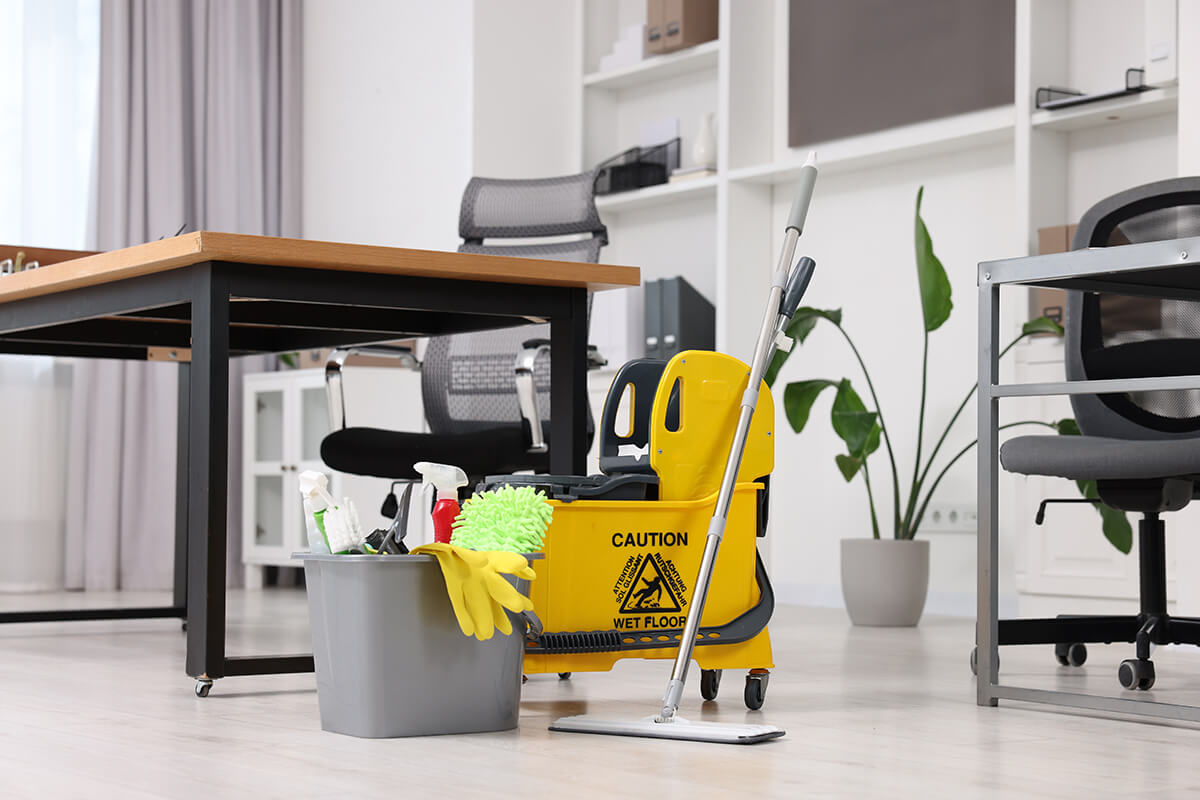
Spring is a natural time for fresh starts, and for non-profit organizations, it’s the perfect opportunity to take a closer look at workplace safety. While “spring cleaning” often focuses on tidying up, it’s also a chance to identify hazards, improve processes, and reset expectations around safety.
A few proactive steps now can prevent injuries, reduce costs, and keep your team focused on what matters most: serving your community. Seasonal transitions can bring new risks to your organization, including:
- Wet floors from spring rain
- Increased foot traffic as programs ramp up
- Outdoor projects and events restarting
- Storage areas cluttered after winter months
- Changing out seasonal equipment
Spring creates a natural checkpoint to reassess your environment before small issues become bigger problems. Here are a few strategies to help keep your employees safe at work:
Clear the Clutter
Over time, workspaces collect unused supplies, outdated materials, and general clutter, especially in storage rooms and shared spaces.
- Remove unnecessary items from walkways and exits
- Organize storage areas to prevent falling objects
- Ensure emergency exits and fire extinguishers are fully accessible
Why it matters: Clutter is one of the leading causes of trip and fall injuries.
Inspect Facilities Inside and Out
Spring is ideal for a full walkthrough of your property:
- Check for uneven sidewalks or potholes
- Look for loose handrails or damaged stairs
- Ensure lighting is working in all areas, including parking lots
- Identify any winter-related damage that needs repair
Pro tip: Assign this as a formal “safety walk” and document findings and review the results at your next safety meeting.
Refresh Safety Equipment
 Take inventory of critical safety equipment and/or tools:
- First aid kits (restock expired or missing items)
- Fire extinguishers (check inspection tags)
- Emergency lighting and exit signage
- Personal Protective Equipment (PPE) supplies: gloves, goggles, etc.
Why it matters: Equipment is only effective if it’s ready when you need it.
Re-Engage Staff and Volunteers
Spring is a great time to reset expectations:
- Provide safety refresher training as needed
- Ensure new employees and volunteers receive a Safety Orientation
- Remind staff how to report hazards
- Reinforce accountability for keeping spaces clean and safe
Keep it simple: Even a 10-minute safety discussion during a team meeting can make a difference. Be sure to keep records of what was discussed and who attended.
If your organization increases outdoor activities in the spring and summer, be mindful of:
- Slippery surfaces from rain or moss
- Uneven ground at event sites
- Safe setup and teardown of tables, tents, and equipment
If spring is the precursor to the busy summer months, it offers the perfect opportunity to reset, reorganize, and address safety issues before activity ramps up. This is the time to establish regular inspection routines, assign clear safety responsibilities, and reinforce expectations across your team.
Encourage a culture where everyone takes ownership of identifying and addressing hazards. When safety becomes part of daily operations, rather than a seasonal focus, you build a stronger, more resilient organization.
A clean and organized workplace is more than just visually appealing: it’s safer, more efficient, and better equipped to support your mission. Taking time this spring to refresh your safety practices helps protect your team and ensures your organization is ready to make its greatest impact in the months ahead.
About Us
For more than 40 years, 501(c) Services has been a leader in offering solutions for unemployment costs, claims management, and HR support to nonprofit organizations. Two of our most popular programs are the 501(c) Agencies Trust and 501(c) HR Services. We understand the importance of compliance and accuracy and are committed to providing our clients with customized plans that fit their needs.
Contact us today to see if your organization could benefit from our services.
The information contained in this article is not a substitute for legal advice or counsel and has been pulled from multiple sources. Some information was provided by our friend, Janee Cantu, President, at Integrated Claims Management (ICM).
(Images by: New Africa and Maliksaad4727)