
Nonprofit employers are seeing a steady rise in employee leave connected to mental health. While the trend is not unique to mission-driven organizations, the impact can feel especially acute in nonprofits where teams are lean, resources are limited, and staff are deeply invested in their work.
Recent national data shows that most employers now report mental health as a contributing factor to employee absences, along with increases in disability claims tied to anxiety, depression, caregiving stress, and postpartum mental health conditions. What matters just as much as the numbers, however, is how employees experience leave when they need it most.
Research consistently shows that employees who feel supported during a leave of absence are far more likely to remain with their employer long term. For nonprofits focused on retention, continuity, and mission sustainability, this is a critical insight.
Why Mental Health–Related Leave Is Increasing
Several forces are converging to drive this shift.
First, conversations around mental health have changed. Employees across all generations are more willing to name stress, anxiety, depression, and burnout, and to ask for time away when those challenges interfere with their ability to work. That increased openness is a sign of progress, not weakness.
Second, today’s nonprofit workforce spans multiple generations facing very different pressures. Younger employees tend to be more open about mental health needs. Mid-career staff are often balancing caregiving responsibilities for children, aging parents, or both. Long-tenured employees may be navigating health changes that bring emotional strain alongside physical conditions.
Third, mental health frequently shows up alongside another life event. An employee may begin leave for childbirth, a medical procedure, or an injury, only to experience significant anxiety, depression, or financial stress during that time. In many cases, there was no prior mental health diagnosis. The leave itself, and the disruption it brings, can trigger the need for additional support.
Finally, the effects of the pandemic did not fade as quickly as many expected. Instead, it normalized conversations about struggle, grief, and burnout. For many nonprofit employees, the emotional toll of serving communities through prolonged crisis continues to surface years later.
Moving Beyond Transactional Leave Management
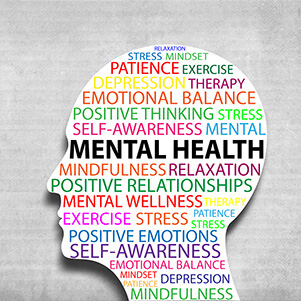 Historically, leave management in many organizations focused on process: eligibility, paperwork, timelines, and compliance. While those elements remain essential, they are no longer sufficient on their own.
Nonprofit employees experience leave as one of the most stressful moments in their working lives. Whether the leave is for mental health, caregiving, or medical reasons, employees are often worried about job security, income, benefits, and how their absence will affect their team or the mission.
A more effective approach recognizes the whole person. This means ensuring compliance with federal, state, and local leave requirements while also communicating clearly, consistently, and compassionately. It means helping employees understand what they are entitled to, what to expect, and who they can turn to with questions.
Most importantly, it means reinforcing that taking leave when needed is acceptable, supported, and aligned with organizational values.
The Critical Role of Managers
In nonprofit organizations, managers often shape the employee’s leave experience more than any policy document. Employees frequently cite their direct supervisor as the biggest influence on whether a leave felt supportive or stressful.
Yet many managers receive little training on how to handle leave conversations, especially when mental health is involved. They may worry about saying the wrong thing, crossing boundaries, or creating legal risk.
Providing managers with guidance and training can make a meaningful difference. Managers do not need to be clinicians. They do need to understand their role: listening without judgment, referring employees to HR or benefits resources, maintaining appropriate contact during leave, and supporting a thoughtful return-to-work process.
Creating Psychological Safety Before Leave Is Needed
One of the most effective ways to support mental health–related leave happens long before an employee ever submits a request.
Employees are more likely to seek help early when they believe their organization values well-being and will not penalize them for speaking up. Clear policies, consistent messaging, and leadership behaviors all contribute to psychological safety.
This includes explaining not just what leave options exist, but why the organization offers them. When nonprofits connect leave practices to their mission and values, employees better understand that care for staff is part of sustaining care for the community.
Why This Matters for Retention and Mission
When employees feel unsupported during a vulnerable time, they are far more likely to disengage or leave altogether. Turnover is costly in any organization, and in nonprofits it often results in lost relationships, institutional knowledge, and program continuity.
By contrast, a culture that treats leave as an act of care rather than a disruption strengthens trust, loyalty, and long-term commitment.
Mental health–related leave is not a passing trend. For nonprofit leaders and HR teams, the question is not whether these situations will arise, but how prepared the organization is to respond.
A thoughtful, empathetic, and compliant approach to leave management is both a people strategy and a mission strategy.
About Us
For more than 40 years, 501(c) Services has been a leader in offering solutions for unemployment costs, claims management, and HR support to nonprofit organizations. Two of our most popular programs are the 501(c) Agencies Trust and 501(c) HR Services. We understand the importance of compliance and accuracy and are committed to providing our clients with customized plans that fit their needs.
Contact us today to see if your organization could benefit from our services.
Are you already working with us and need assistance with an HR or unemployment issue? Contact us here.
The information contained in this article is not a substitute for legal advice or counsel and has been pulled from multiple sources.
(Images by Freepik and Makhbubakhon)